
This video documents how we manage farm water on our regenerative farm, Conscious Ground, and the infrastructure developments that have helped us to dramatically increase our water capture and storage, improve drainage and manage recent extremes in weather. Our Founder, Richard, explains how dams, swales, riparian zones and leaky weirs all work to retain water and nutrients on the property without negatively impacting the environment or neighbouring farms.
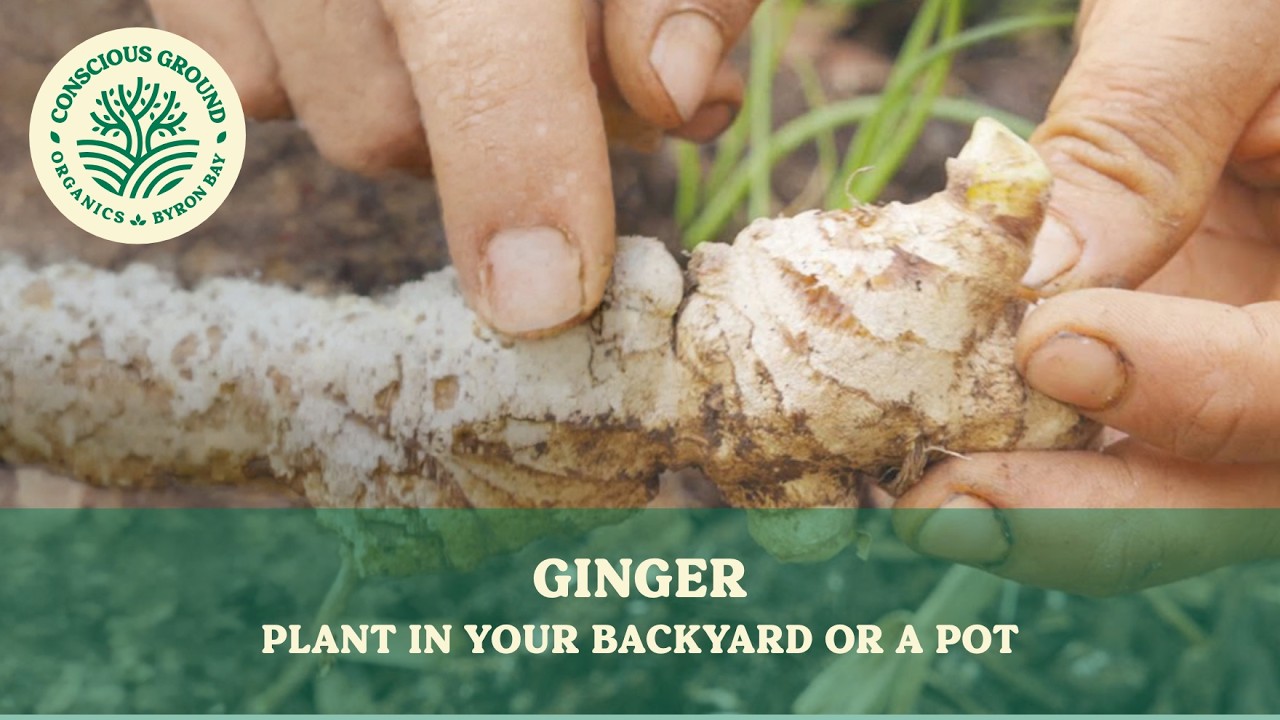
Kenji, our Food Forest Lead and May our Director show how easy it is to start growing ginger at home whether you have a yard or a balcony. Springtime is the ideal time to start planting and all you need is a little knob of ginger to get started. Ginger will produce about 10 times what you plant. A medicinal rhizome that adds flavour and punch to every meal or drink (in hot teas or cold press zingy juices).

Well managed grow tunnels (greenhouse) can produce food year-round through any adverse weather conditions. Our founder, Richard, explains his preferred system for consistently growing and harvesting nutrient-dense, organic Asian greens, lettuce, coriander, carrots and more. Using Richards's continuous planting and harvesting system, our relatively small polytunnel (30 metres) consistently produces enough food to supply our local farmers' market and our kitchen that feeds 30 of our crew daily.

Natural beekeeper, Willow Hankinson, will amaze you with five things you didn't know about bees and their incredible ability to survive and thrive through the ages. Willow explains how bees communicate with 'telepathic messages', make democratic decisions for the hive, and how they outlived the dinosaurs and more.
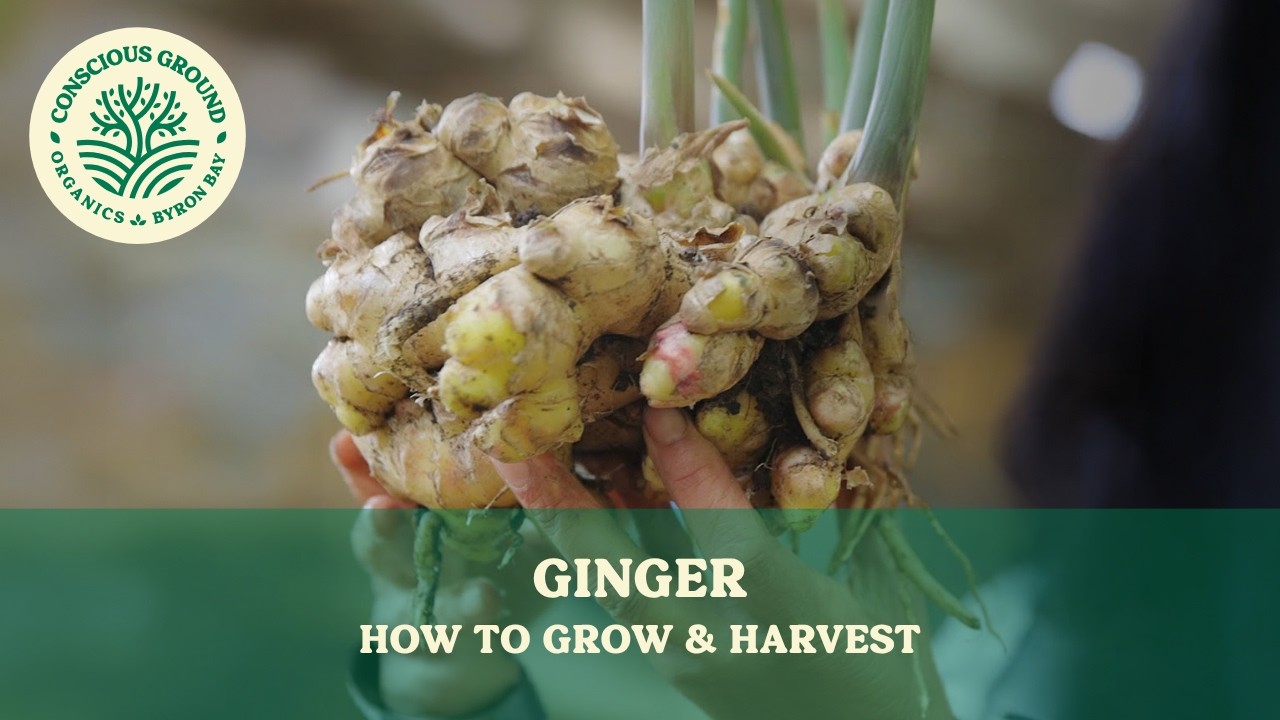
It's easy to grow and harvest ginger in your home garden or even on your balcony in a pot. By planting small seed ginger (small pieces of rhizome), you can harvest a sizable yield of fresh ginger within ten months. Join our Executive Director, May, and Food Forrest Team Lead, Kenji, as they show you how simple it is to grow ginger at home and what you should know when it comes to harvesting and storing your fresh ginger crop.

Our goal is to pursue our limitless human potential. We start with grounding in the earth, connecting to the land, the plants, the animals and each other. The awakening of the conscious awareness of the interconnectedness of everything we do, everything that we are, whether you are learning regenerative farming, holistic animal husbandry or holistic food design & cookery here at Conscious Ground, the experience is first hand and something not easily described, but can be felt and witnessed, and repeated.

Cover cropping builds and improves soil. In preparation for winter, we've used cover crops to protect our market garden soil throughout the wet season by absorbing more water and preventing soil loss, and also doubling as green manure compost for our dry season during the winter.
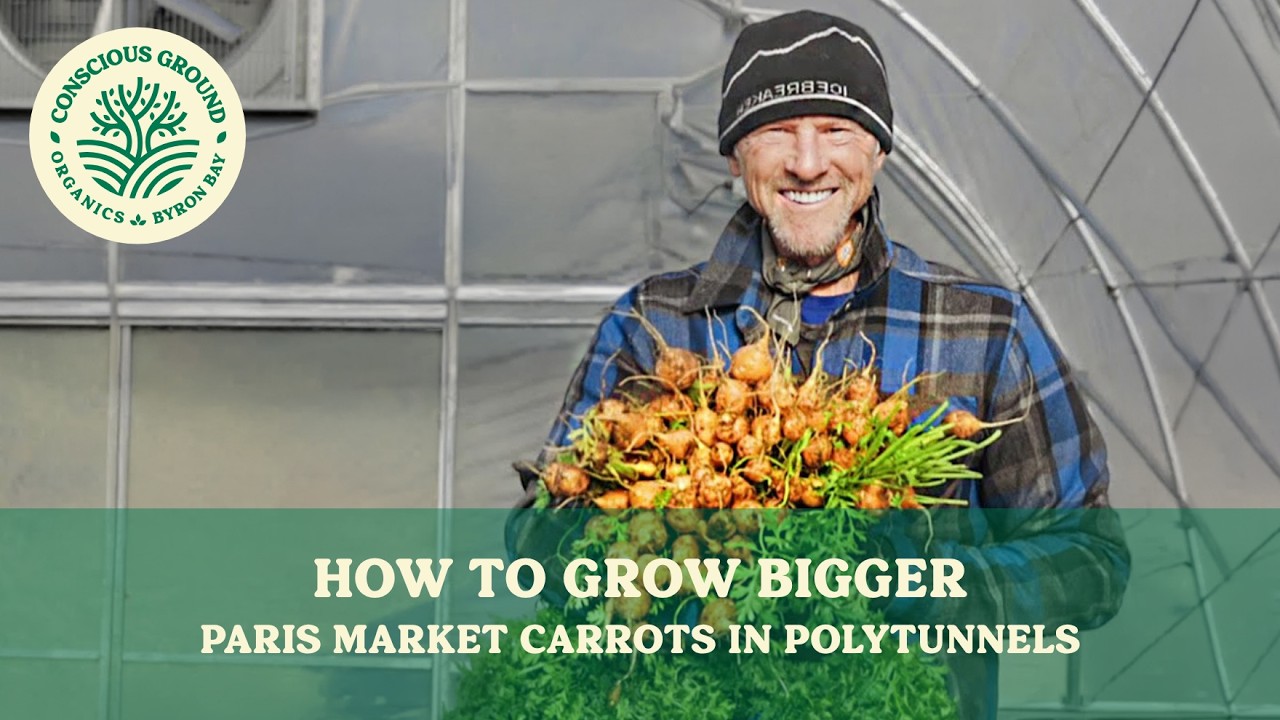
Paris Market Carrots are a delicious, round French heirloom carrot that grow well in polytunnels and greenhouses. Our founder, Richard, shows us the secret to growing bigger, juicier and more nutrient-dense Paris Market Carrots that won't turn green while extending your harvest over many weeks.
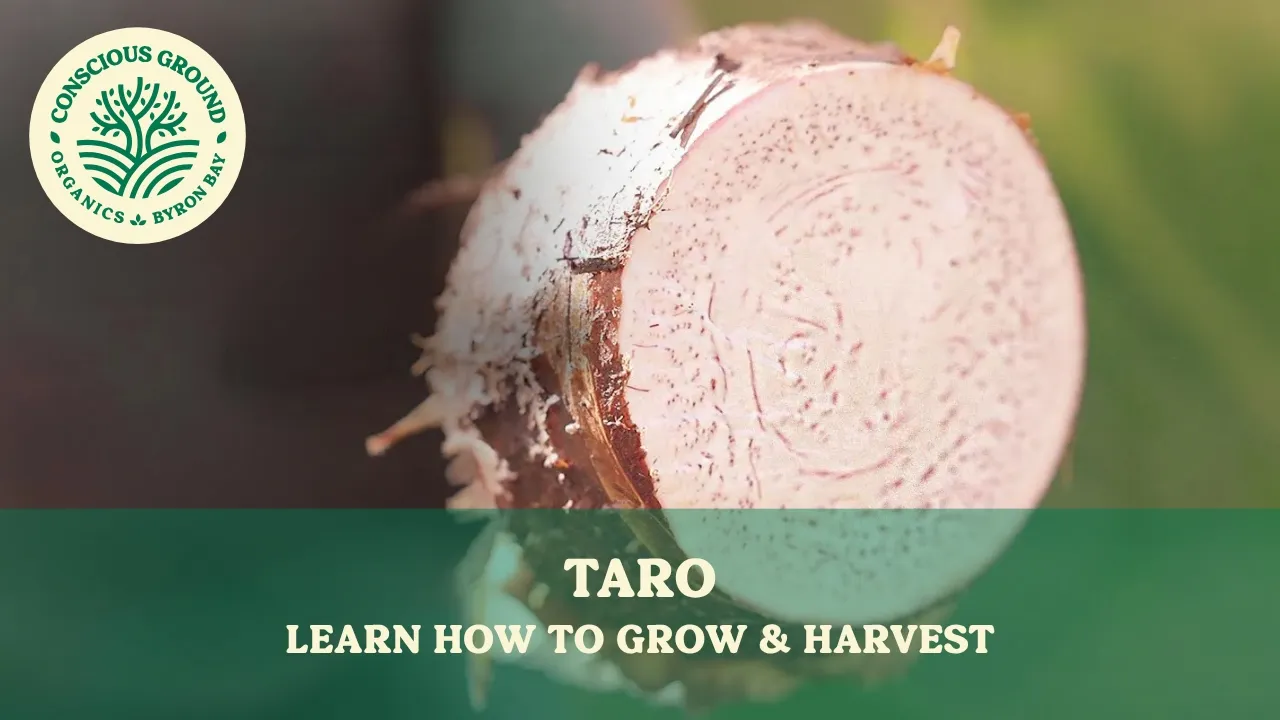
Learn how to grow and harvest Taro with our Food Forest Team Lead, Kenji. Common throughout the Pacific Islands, South East Asia and parts of Africa, Taro is one of the easiest crops to grow in the tropics. Following Kenji's simple tips, you can turn one taro corm into a backyard plantation.

Our native wildlife guru, Jason, found these male Coastal Carpet Python's (Morelia spilota mcdowelli) battling over a female on the farm! They do this by wrapping around their opponent and driving their head to the ground. The victor will be the python who demonstrates the greatest strength. These wrestling matches sometimes last for days, or they can be over in a matter of minutes. Either way, the loser will eventually give up and leave the immediate area. This rigorous tussle leaves the loser unhurt, and able to fight another day. The dominant male will then pass his stronger genes on to the next generation.
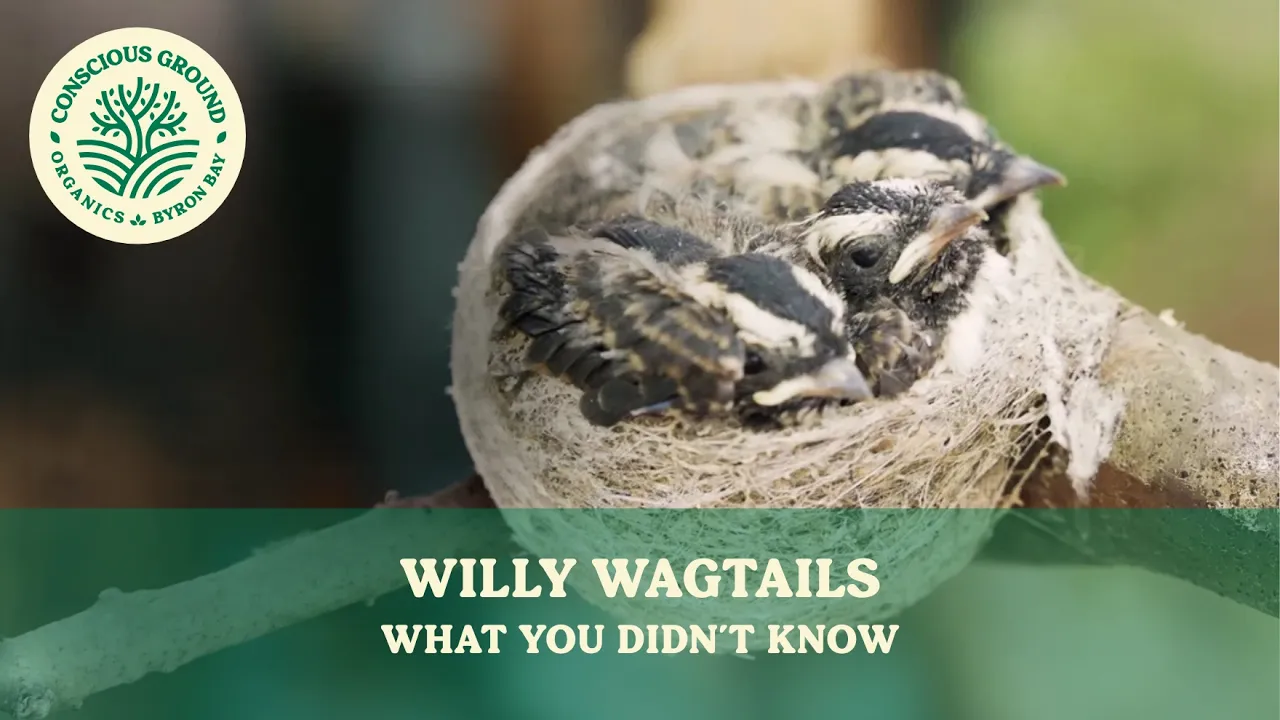
The farm is full of native wildlife, but one of the cutest inhabitants must be our Willie Wagtails. So, we were delighted to discover a nesting pair in some of our Jabuticaba trees. Jason explains why they chose to nest in our greenhouse and teaches us a few new things about this cute little bird.
We are very lucky to have Jason on the farm. He has spent his life working in the Australian bush and has an extraordinary understanding of our natural environment.
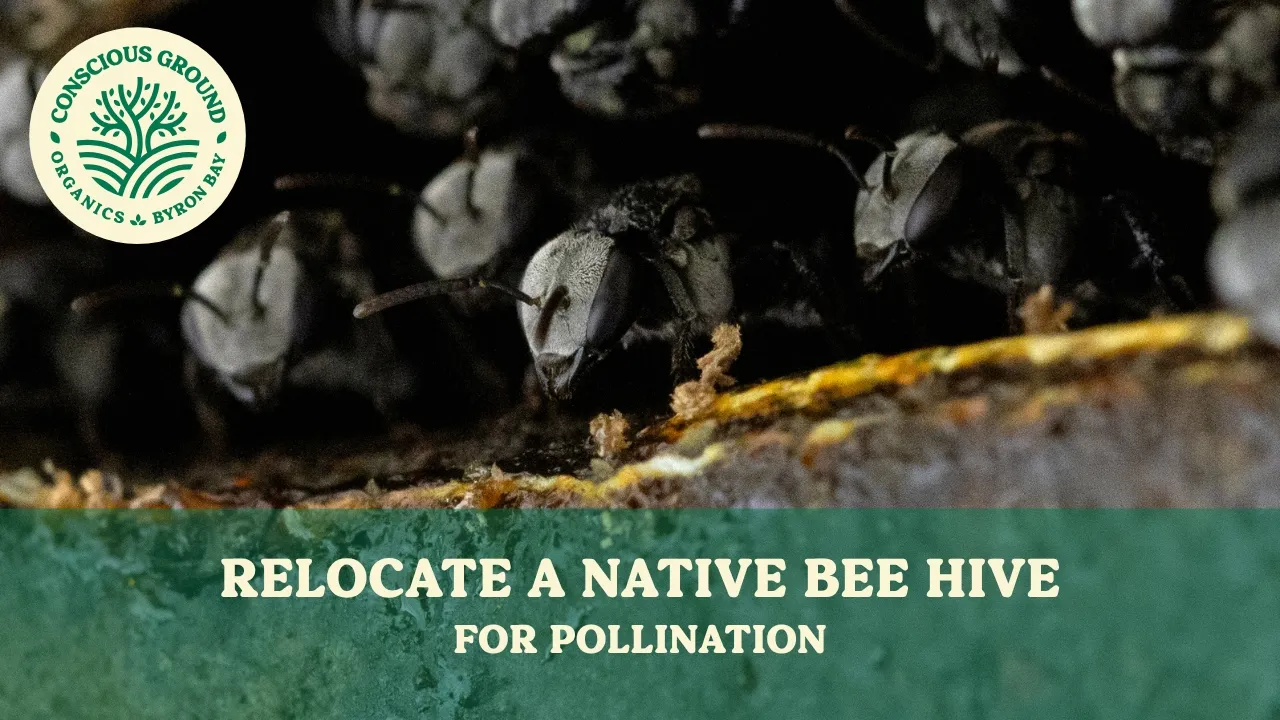
At Conscious Ground, we're working with stingless native bees to pollinate our fruiting trees; such as Longans and Mangoes. In this video, our bee specialist, Emma will show us how to introduce a native beehive into a new area for pollination. It's a great example of Conscious Ground working with nature to increase our harvest while keeping our bees very happy.
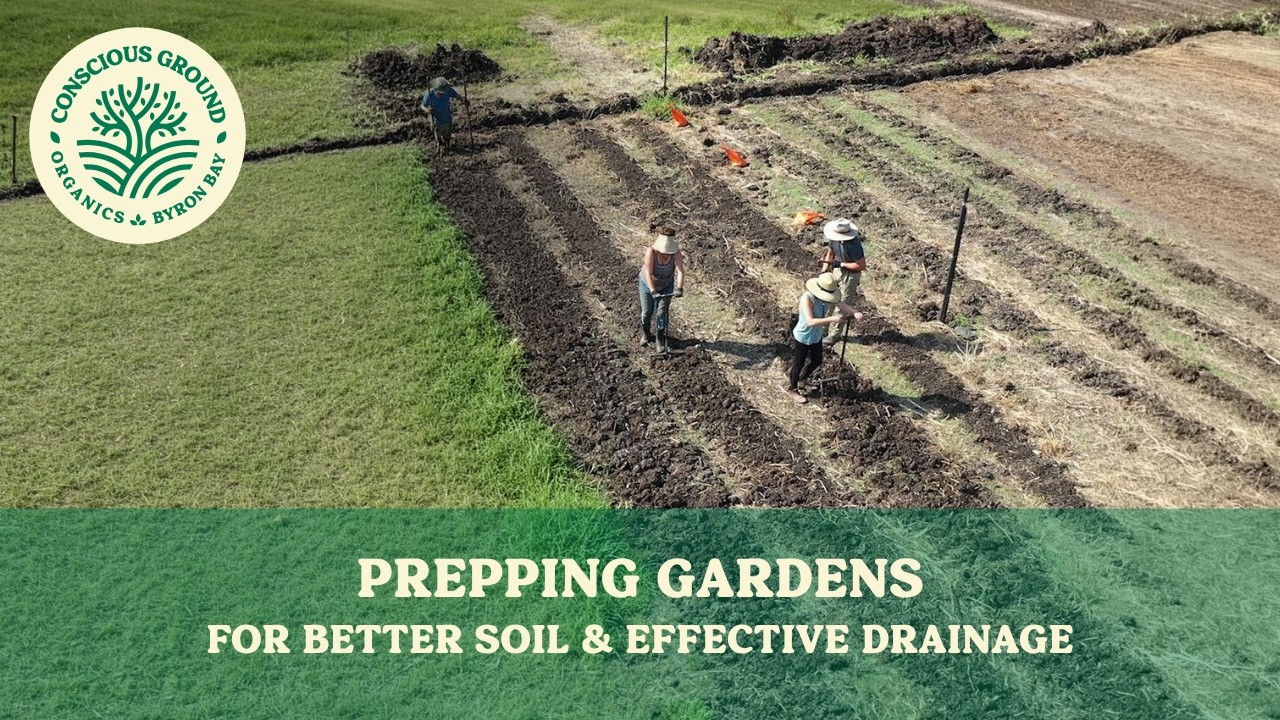
Winter is coming and we are preparing our gardens for a bumper crop. Our Founder, Richard, talks us through his plan for Market Garden drainage and soil remediation leading into the cooler season.

Food forest gardening is a low-maintenance and sustainable system of farming. Join Kenji and Richard as they discuss the advantages of mimicking a forest system.
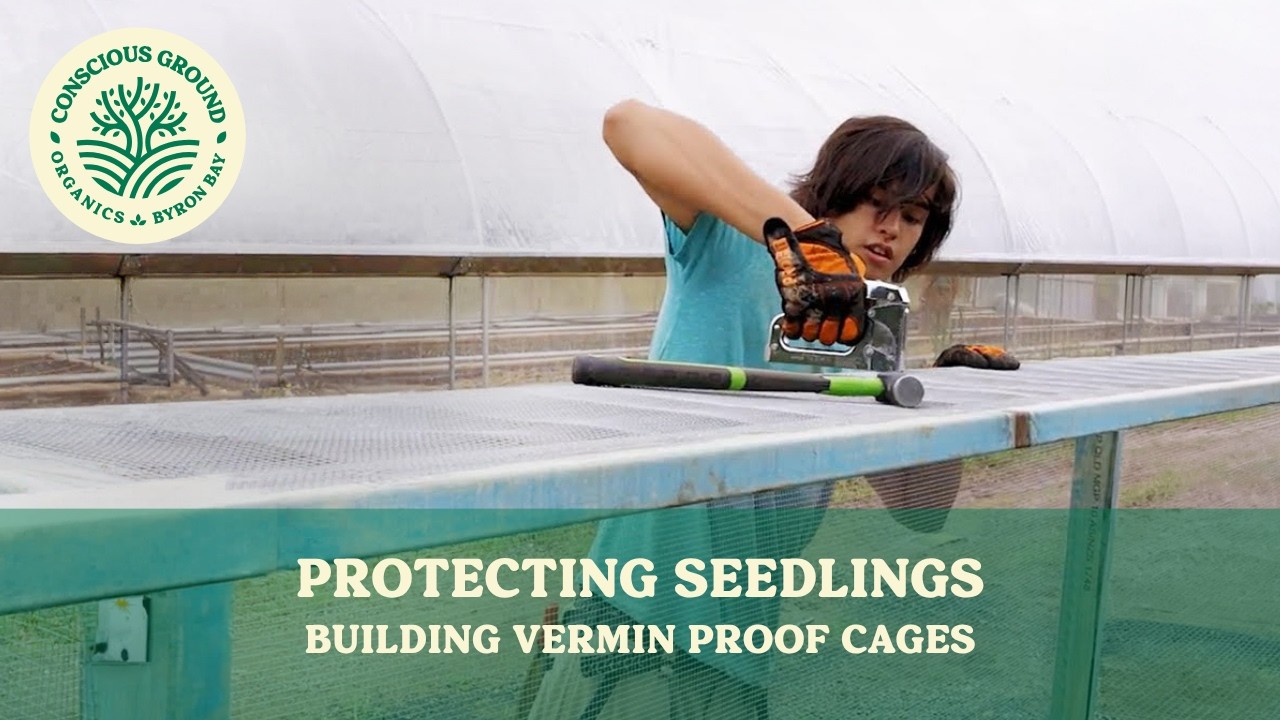
Rats, mice and other vermin can devastate a market garden nursery, and protecting delicate seedlings from pests can be a real challenge. Our founder, Richard, shows us his simple solution to protecting seedlings - light, durable, and effective vermin cages.
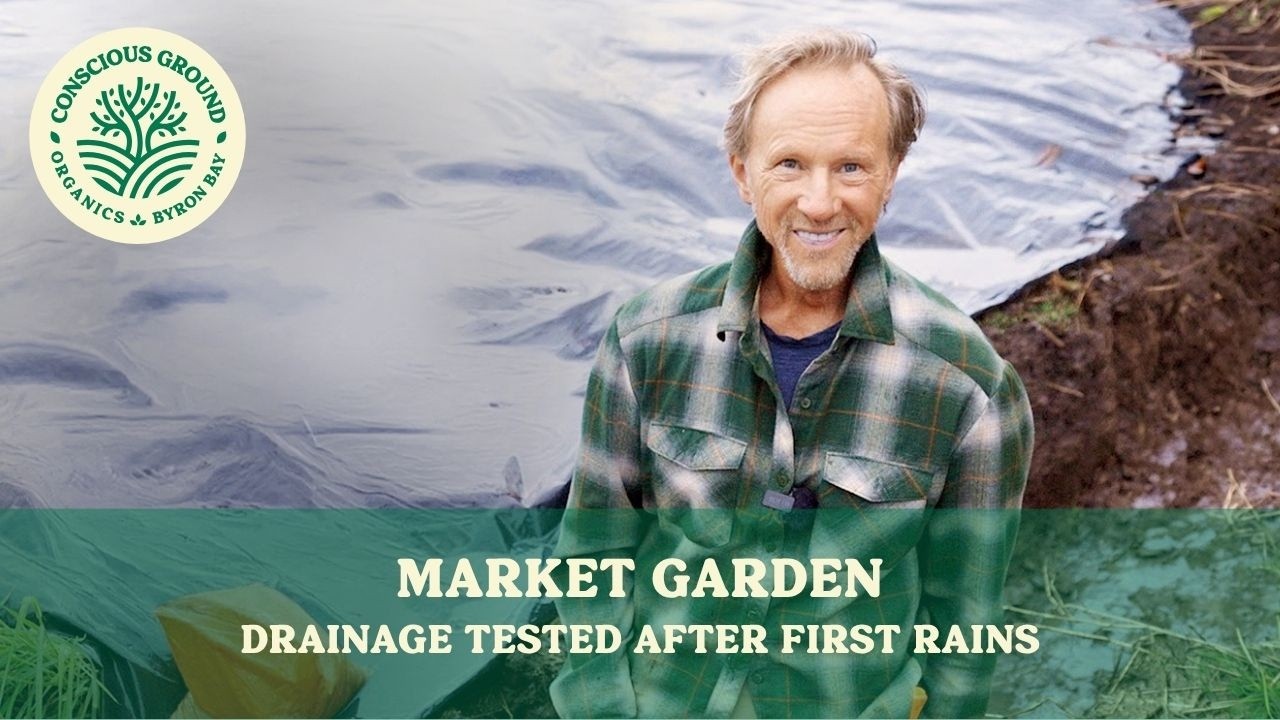
We're digging new drainage into our Market Garden to safeguard against excessive rain. Our Founder, Richard Torgersrud, observes water flow after recent rains and decides if any changes need to be implemented before completing the work.

Join Aidan in our lychee orchard as he investigates damaged soil that has contributed to the loss of some lychee trees. Aidan tells us his plan to remediate the soil to return to top condition.

Join Aidan back in our lychee orchard three months later as he checks the progress of the damaged soil. Aidan shares how cover crops, calcium and wood chip are helping rebuild soil health and restore the growing environment for the lychee trees.